


When we listen to music, our bodies instinctively move in time. We tap our feet, sway, or breathe in rhythm without thinking. According to sensory psychologist Alan Heath, this rhythmic coordination is not just a reaction to sound; it is the foundation of how the brain organizes itself for learning.
In the “Reading and the Brain“ webinar, Alan explained that rhythm serves as the brain’s organizing principle. It governs timing, sequencing, and the integration of movement and language. The same timing networks that allow a drummer to keep a beat also help a child follow a sentence, track words across a page, and read with fluency and comprehension.
“Rhythm gives structure to the brain,” Alan said. “When the body finds rhythm, the mind finds order.”
This principle is evident across various age groups and learning styles. Children who move easily to rhythm often read more fluently. Adults who have struggled with dyslexia or processing challenges can rediscover their flow when the brain’s timing systems become synchronized.
Where Rhythm Shows Up in Real Life

Ellie, a forty-year-old student who used The Listening Program® as part of her reading support, described feeling rhythm “flow through her body and over her brain.” As her timing improved, so did her balance, fluency, and confidence.
The connection between rhythm, movement, and reading reveals something profound: learning to read is not just about the eyes or the ears, but about how the entire brain keeps time. This article explores how Alan Heath’s work and The Listening Program use rhythm to strengthen the brain’s timing systems and unlock the natural flow of language and comprehension.
What Is The Listening Program®
The Listening Program (TLP) is a neuroscience-based music listening therapy that helps the brain process sound more efficiently. Through acoustically modified music, it strengthens the brain’s ability to organize timing, rhythm, and attention. Essential skills for learning, communication, and reading.
Each TLP Core Program offers a structured and progressive approach to support brain development. Together, they create a foundation that integrates listening, movement, and rhythm across all areas of learning.
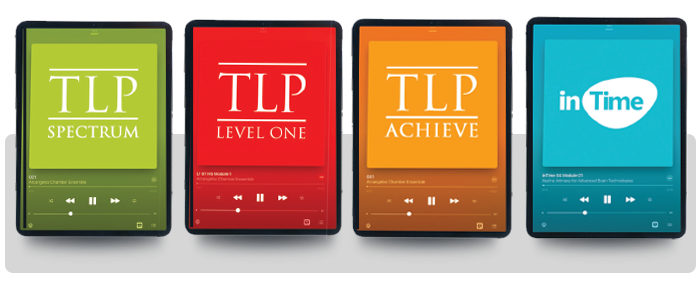
In this article, we’ll explore how rhythm and movement, especially through programs like TLP inTime, help organize the brain for fluent reading.
How The Listening Program Strengthens Rhythm and Reading
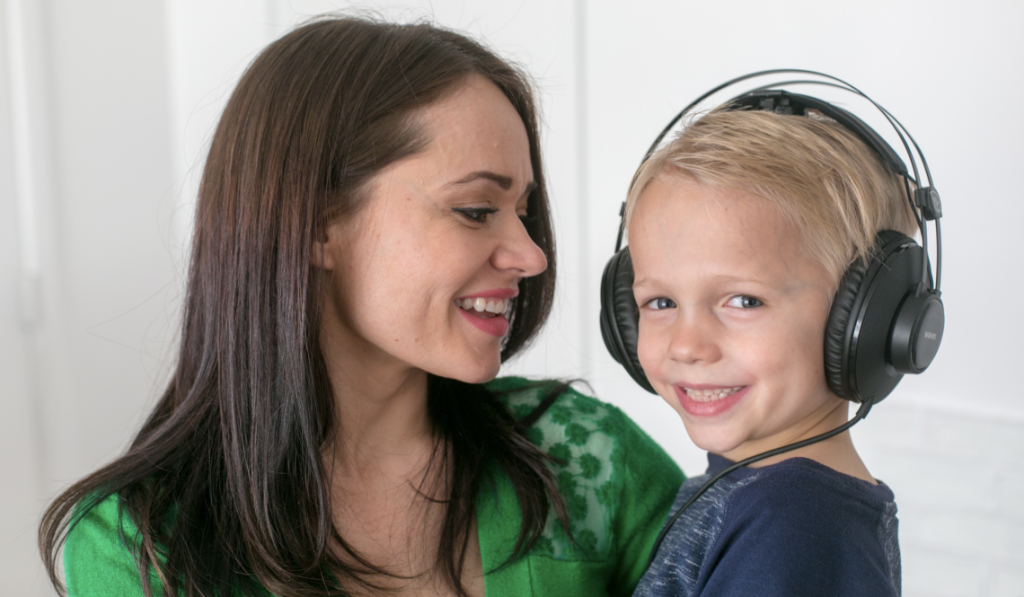
As Alan Heath explained in the Reading and the Brain webinar, reading fluency depends on how well the brain can coordinate rhythm, timing, and movement. Every letter, word, and sentence arrives as a sequence of sounds that must be decoded in perfect order. If timing in the brain is delayed, even by a fraction of a second, comprehension can break down. The listener may hear the words, but the brain cannot process their sequence quickly enough to form meaning.
Training the Brain’s Internal Timing
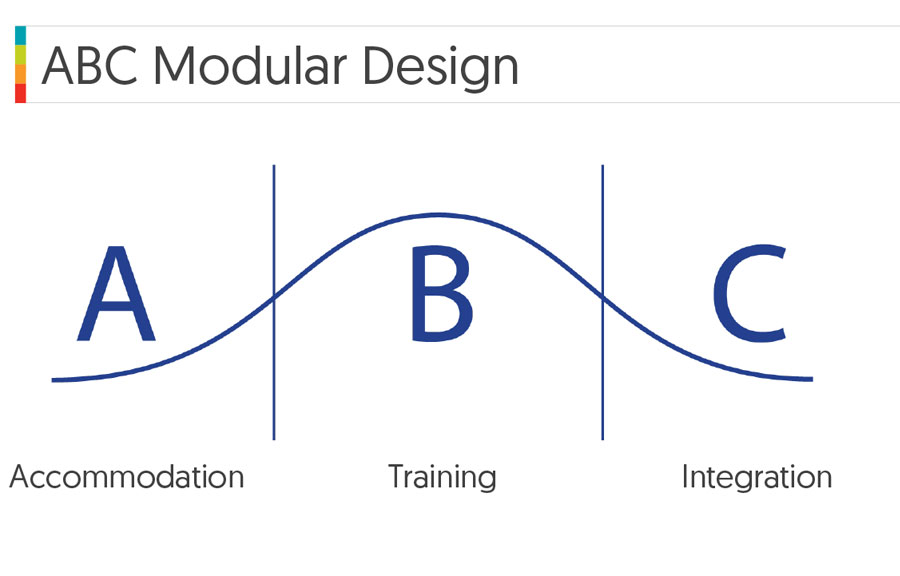
The Listening Program helps restore this sense of timing through music that is carefully structured to train the brain’s natural rhythm. Each session follows an ABC Modular Design that mirrors the brain’s own need for variation and organization. The patterns in the music gently guide the nervous system to synchronize its internal clock, enabling different brain regions to work together with greater precision.
 Alan often describes this as helping the brain “find its beat.” When the brain keeps time, it can anticipate what comes next, linking sounds and symbols into meaningful language. This is one reason The Listening Program supports reading so effectively. It trains both hemispheres of the brain to work together. The left hemisphere interprets the fine details of speech and language, while the right provides the rhythm, melody, and emotional tone. When the two move in harmony, reading becomes not just a task but an experience of flow and understanding.
“When the brain stops working to organize itself, it can start to learn.”
In his experience, one of the earliest signs of progress appears in how people use their voices. Speech becomes more fluid, expressive, and rhythmic. This happens because the same timing networks that process music also govern speech production. Listeners often find that their reading out loud improves naturally, as if the words begin to align with their breathing and emotional tone. Ellie, for example, noticed that her voice had “more music in it.” That sense of rhythm carried into her reading, which became smoother and more expressive.
Rhythm as a Core Human Organizing Process
Alan frequently reminds educators and parents that rhythm is not just a musical skill; it is also a fundamental aspect of human experience. It is a fundamental organizing process that shapes attention, memory, and communication. The Listening Program uses music to strengthen this internal organization in a way that feels effortless to the listener. Through its rhythmic structure, tonal clarity, and spatial movement, it teaches the brain how to stay in rhythm with itself.

By strengthening the brain’s timing and rhythm networks, The Listening Program prepares the mind to read with ease, express ideas clearly, and connect with language in a more natural and joyful way.
The Science of Rhythm and Literacy
In the Reading and the Brain webinar, Alan Heath explained that rhythm and movement are not separate from reading. They are the foundation on which reading is built. Every syllable in speech has timing, stress, and pitch. To read fluently, the brain must detect these subtle patterns and reproduce them through visual symbols on a page. When the brain struggles with rhythm, words can lose their order, and meaning becomes harder to grasp.
Why Keeping the Beat Predicts Reading Ability
Neuroscience research confirms what Alan has observed throughout his career. Studies have shown that children who can keep a steady beat are more likely to develop strong reading and language skills. The ability to move in rhythm with music reflects how accurately the brain is processing timing and prediction, two essential elements of comprehension.
According to auditory neuroscience researchers Nina Kraus and Adam Tierney,
“The same neural precision that allows a person to move to a beat supports the brain’s capacity to make sense of language.”
How the Brain Tracks Rhythm
Alan explained that rhythm helps the brain “stay in time with itself.” The auditory cortex, motor cortex, and cerebellum all play a role in tracking rhythm. The cerebellum, often thought of as a center for movement, also plays a crucial role in attention and language sequencing. It works closely with the basal ganglia to regulate timing, enabling the brain to anticipate what comes next in both auditory and semantic contexts. When these systems are in sync, the reader’s eyes, voice, and thoughts align in a seamless, rhythmic flow.
How The Listening Program Supports Neural Synchronization
The Listening Program supports this synchronization through acoustically modified music that stimulates both the auditory and motor networks. The rhythmic structure of the recordings helps the brain learn to organize timing more effectively. The spatial dynamics of the music add another layer, engaging the body’s sense of balance and spatial orientation. This dual stimulation strengthens neural timing and promotes the kind of sensory integration that reading requires.
Alan often pointed out that movement is the earliest form of learning. Long before children can read or write, they learn about rhythm through motion, like rocking, clapping, or speaking in sing-song patterns. These activities build the same neural pathways that later support fluent language and reading. When rhythm training is reintroduced through music, even in adults, the brain can rekindle this developmental process.
A Real Life Example of Rhythmic Integration
Ellie’s experience demonstrates how this science is applied in real-life situations. After years of struggling with dyslexia, she began to notice that her speech and writing became more fluid. Her balance improved, her attention sharpened, and her confidence grew. What was happening in her brain mirrored what Alan describes as rhythmic integration—the process of aligning sensory input, movement, and emotion into a single, organized flow.
This relationship between rhythm and literacy is further supported by research on the brain’s auditory-motor coupling. Studies by Thaut, Patel, and others have demonstrated that rhythm training enhances reading and speech outcomes by improving connectivity between auditory and motor regions. When rhythm strengthens, so does attention, timing, and comprehension.
Alan summarized this beautifully during the webinar: “Rhythm builds the bridge between listening and expression. It turns language into meaning.”
The Listening Program provides the structured rhythmic input that allows this bridge to form. Through daily listening, the brain practices organizing sound, movement, and emotion. Over time, that practice becomes fluency, not just in reading words, but in understanding and expressing ideas.
Conclusion: The Beat of Understanding
Rhythm gives structure to more than music. It gives structure to the brain itself. As Alan Heath explained in the Reading and the Brain webinar, rhythm organizes how we listen, move, and think. It allows the brain to predict, to coordinate, and to understand. When that internal rhythm is steady, learning begins to flow.
How Rhythmic Music Supports Reading
Through its carefully designed music, The Listening Program helps the brain strengthen this natural sense of timing. The rhythmic patterns, spatial movement, and harmonic balance invite the brain to keep time, listen with precision, move with ease, and read with understanding. Whether a young student learning to read or an adult rebuilding confidence, the same principle applies. When the brain finds rhythm, language and learning follow.
Ellie’s experience, like that of many others, demonstrates the power of this process. Her speech, coordination, and reading improved because her brain was learning to move in rhythm again. The music helped her find flow, and with it came comprehension and confidence.
Why Rhythm Creates Meaning
Alan often says that rhythm is the bridge between listening and expression. It connects the body and the mind, emotion and understanding. When the brain learns to keep that beat, reading becomes more than decoding words. It becomes a full experience of connection and meaning.
Read the first blog in this series:

The next article in the Reading and the Brain series will explore another essential piece of this process: how calm attention and emotional regulation support reading and learning.
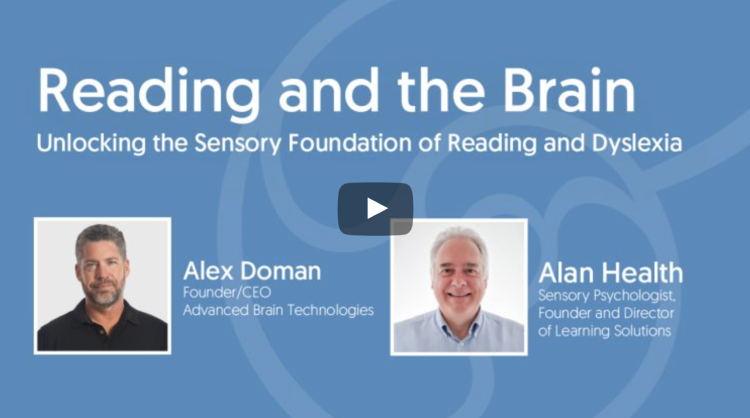
For those who would like to hear the full conversation between Alan Heath and Alex Doman, you can watch the Reading and the Brain webinar replay here:
Watch the full discussion
Reading and the Brain with Alan Heath and Alex Doman.
 Alan Heath is the founder and director of Learning Solutions, a UK-based organization that helps individuals with learning differences and sensory processing challenges through movement, neurological integration, and evidence-informed strategies. A respected Sensory Psychologist, Alan brings more than 25 years of experience in bridging brain science with real-world application. He has presented at leading educational conferences across the UK and internationally, and trains professionals in sensory processing, auditory integration, bilateral coordination, and reflex development. Since 2002, Alan has served as the International Representative for Advanced Brain Technologies, supporting the growth of The Listening Program across the UK, Ireland, and the UAE.